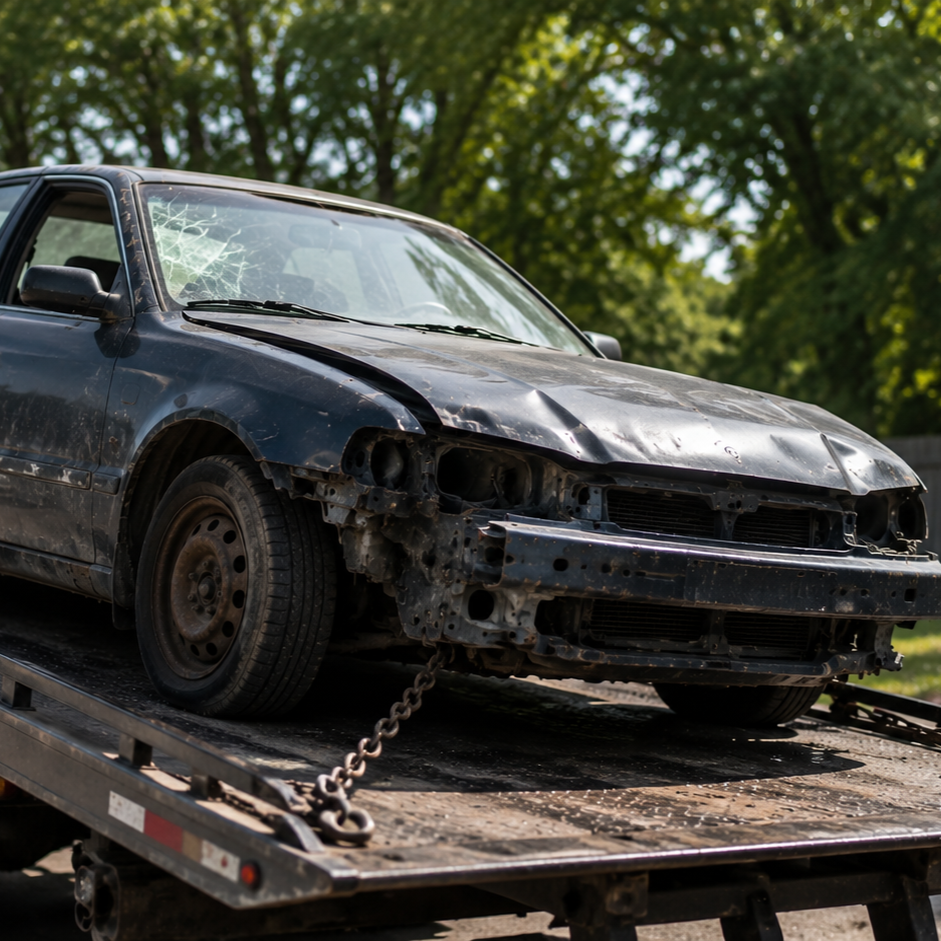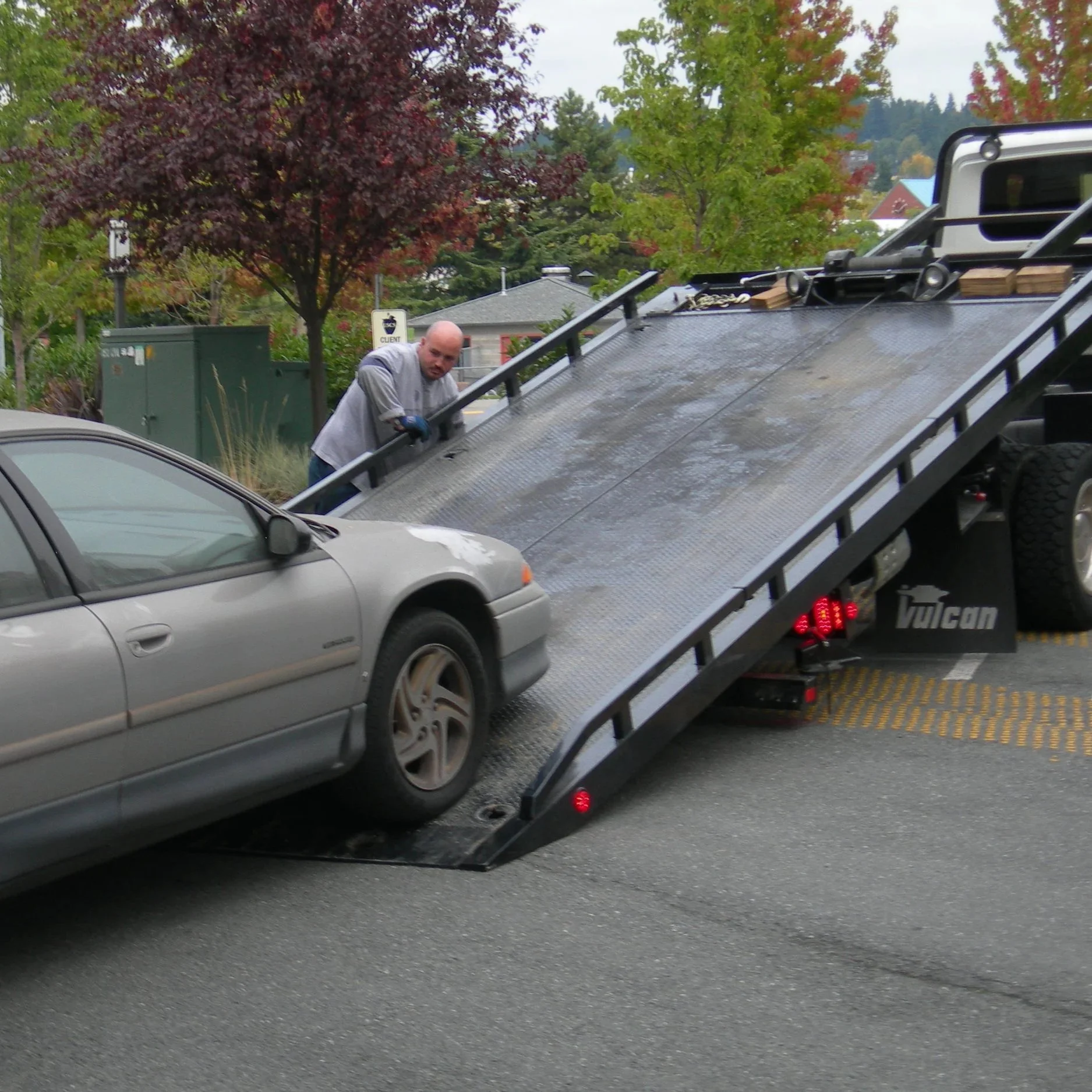
Selling a junk car should take an afternoon, not a week. What usually stretches it out isn't the tow truck or the condition of the car.
Read More
Selling a junk car should take an afternoon, not a week. What usually stretches it out isn't the tow truck or the condition of the car.
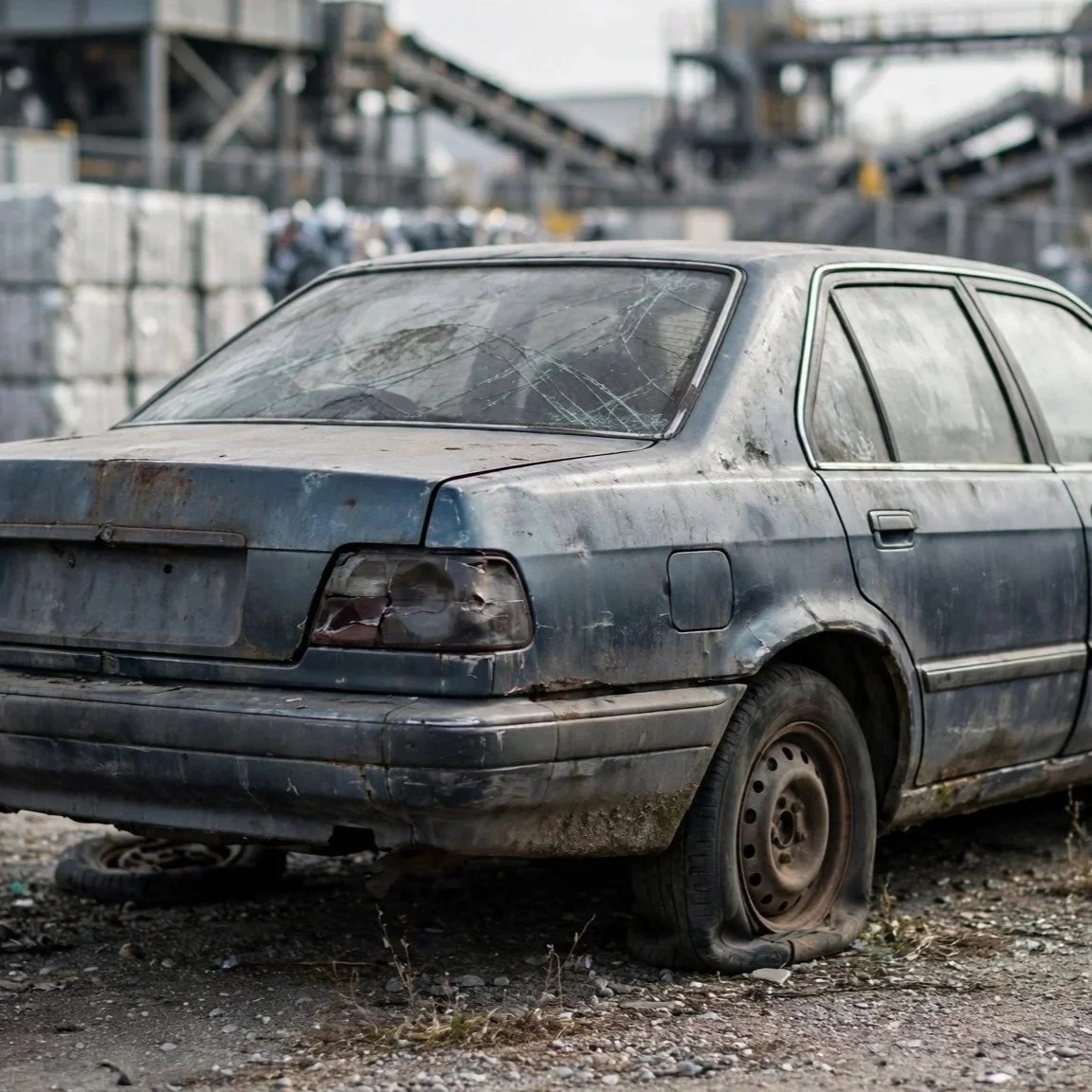
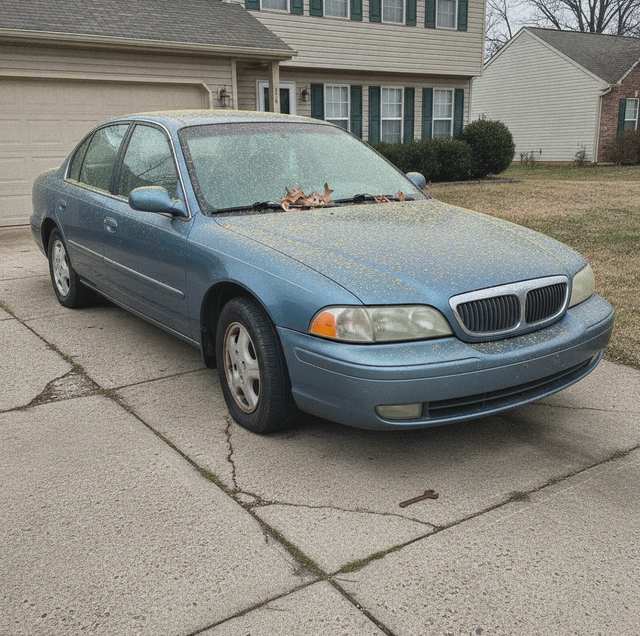
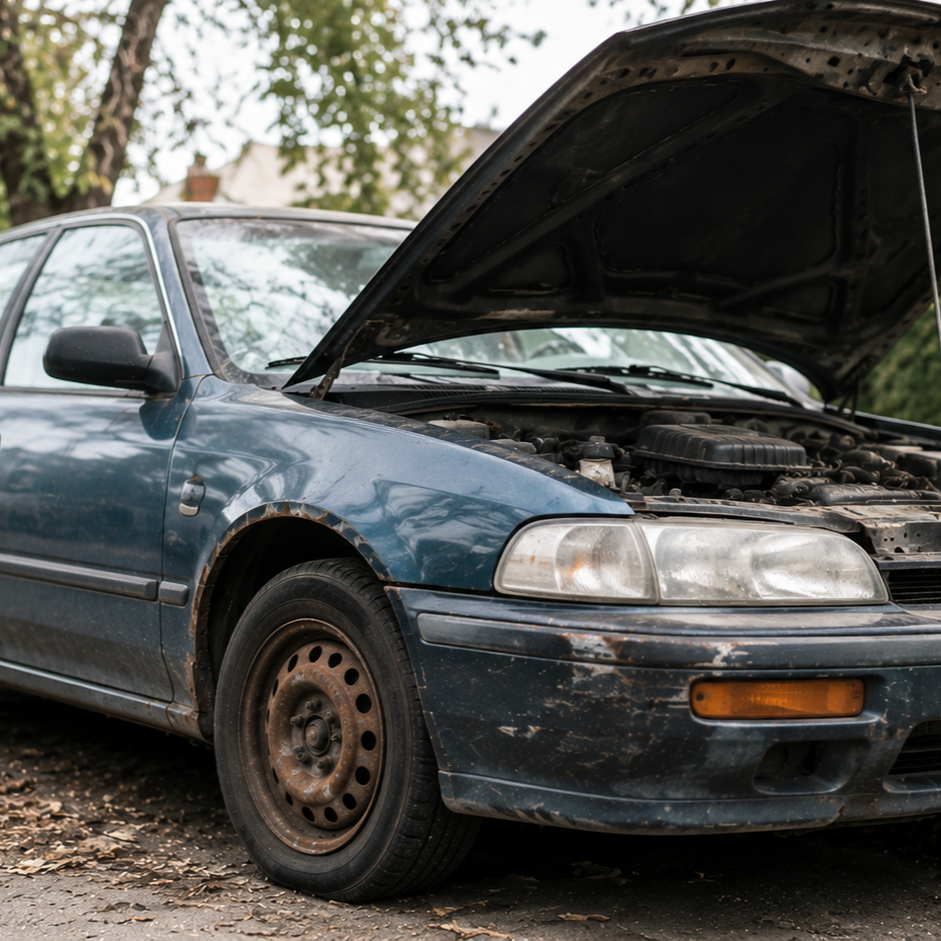
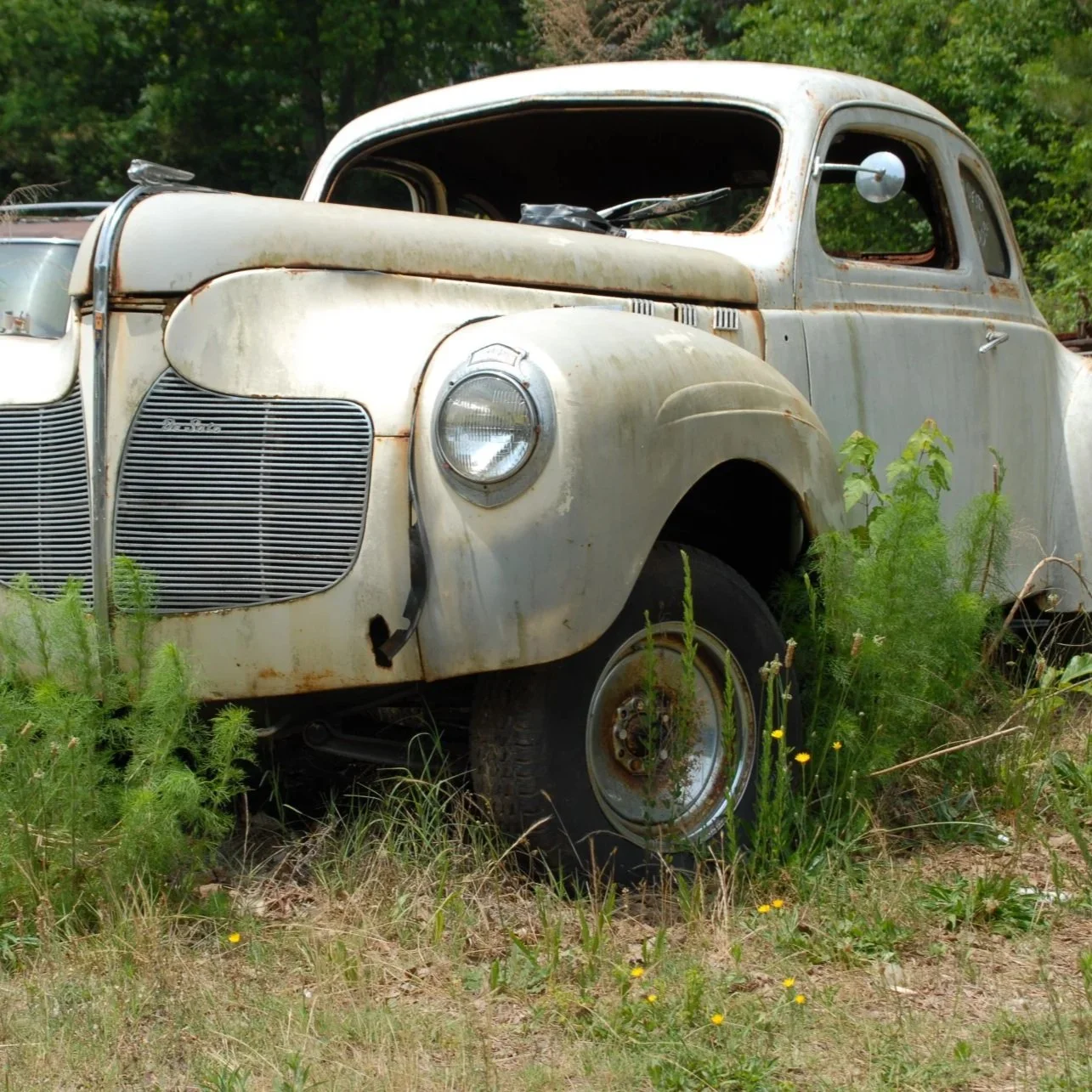
Read MoreThat car sitting flat-tired in the driveway may look like a total loss, but a junk buyer sees two different things stacked inside one body: a pile of usable parts and a few thousand pounds of recyclable metal.
Read MoreThe tow truck pulls away with your old car, the cash is in your pocket, and it feels finished. It usually is not.
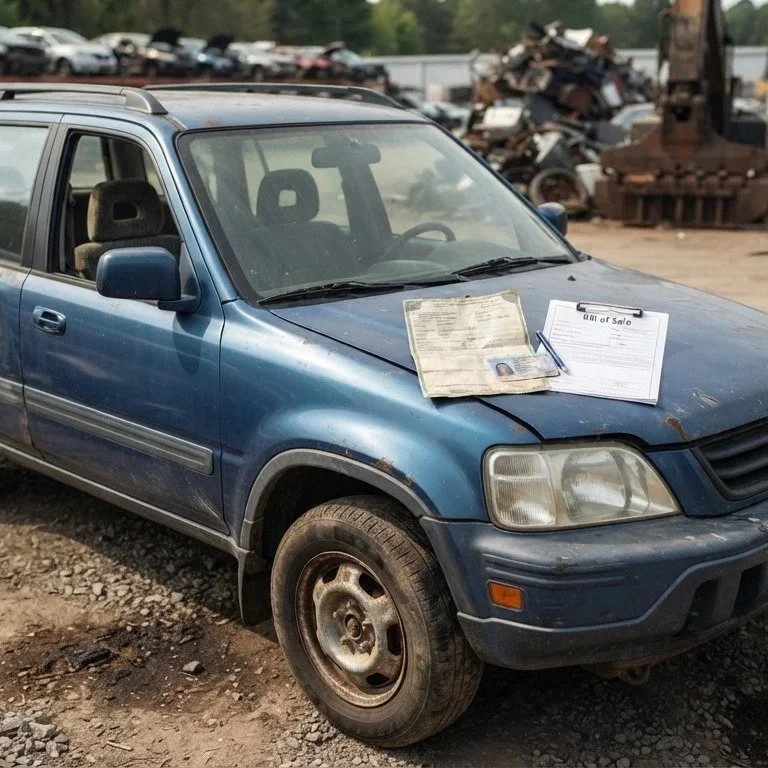
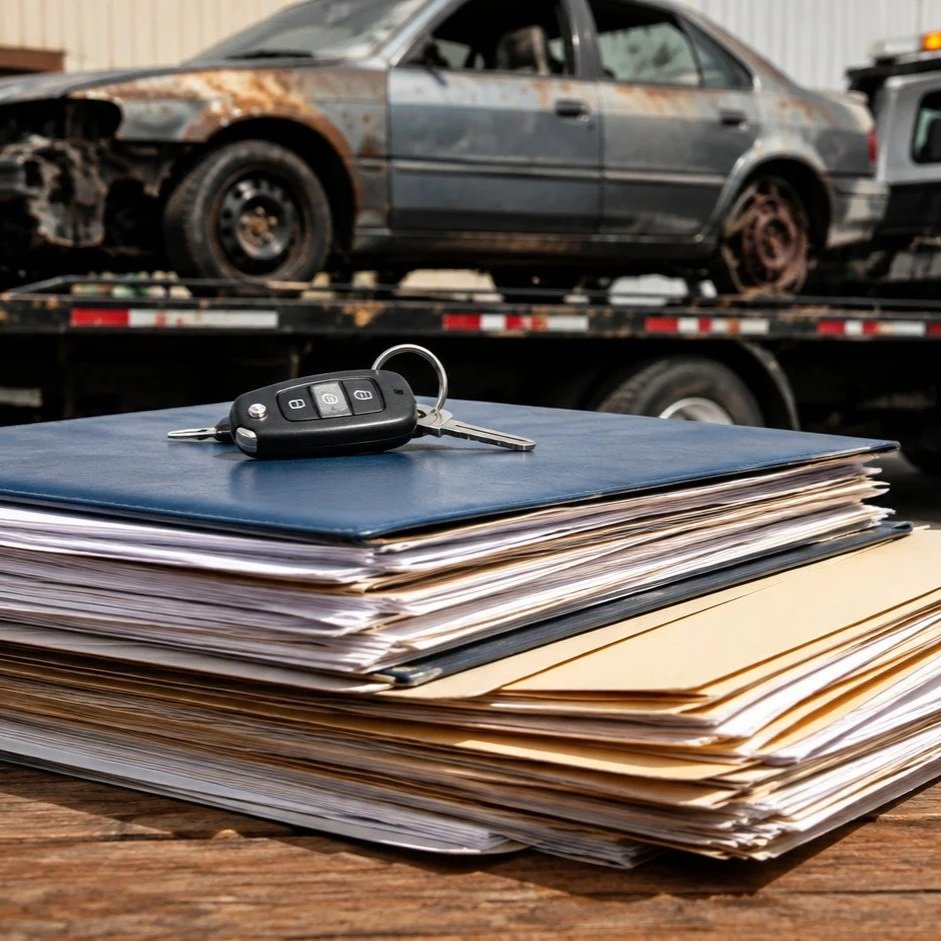
Read MoreA dead car sitting in the driveway is bad enough. Finding out the title vanished years ago, buried in a move or handed off with a car you thought you sold, turns a simple cleanup into a question mark.
Read MoreSelling a car for scrap feels like the finish line, and in most ways it is. The buyer quotes you, sends a truck, and hands over cash.
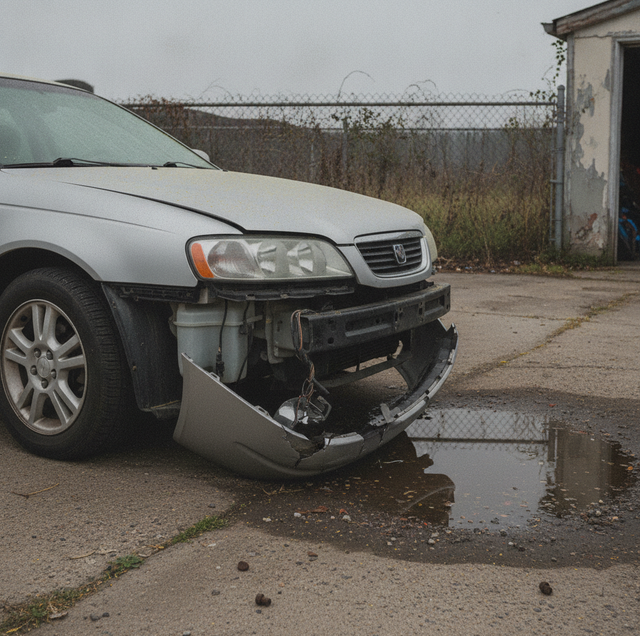
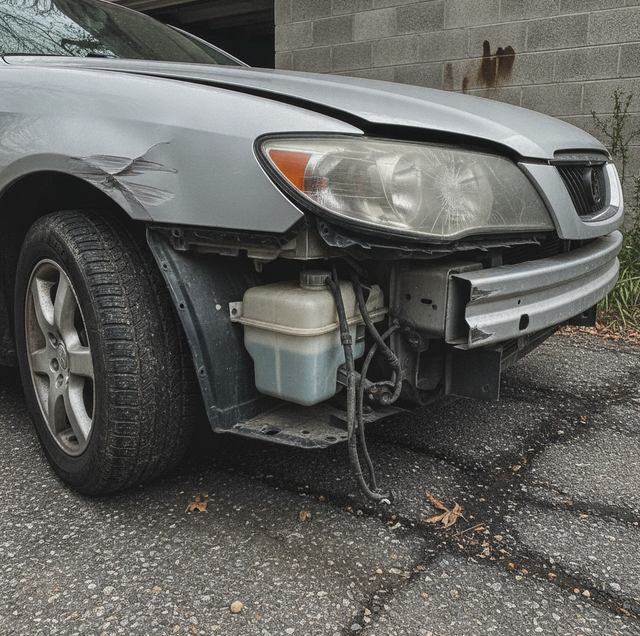
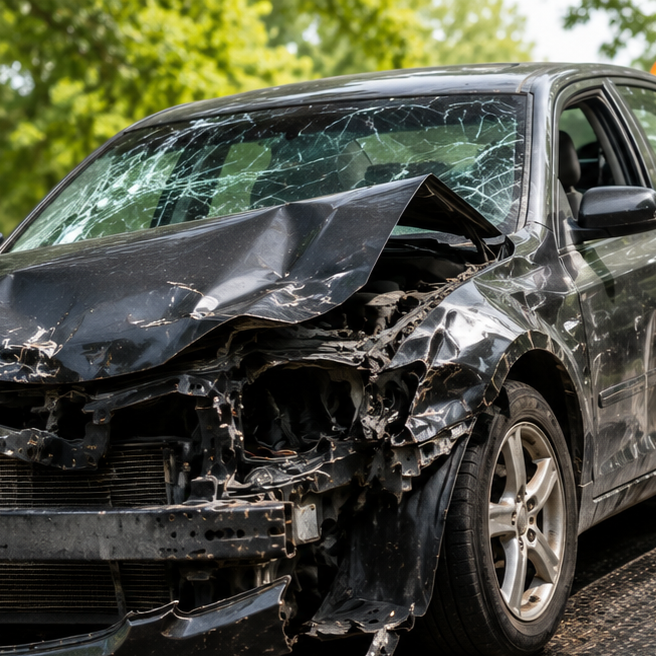
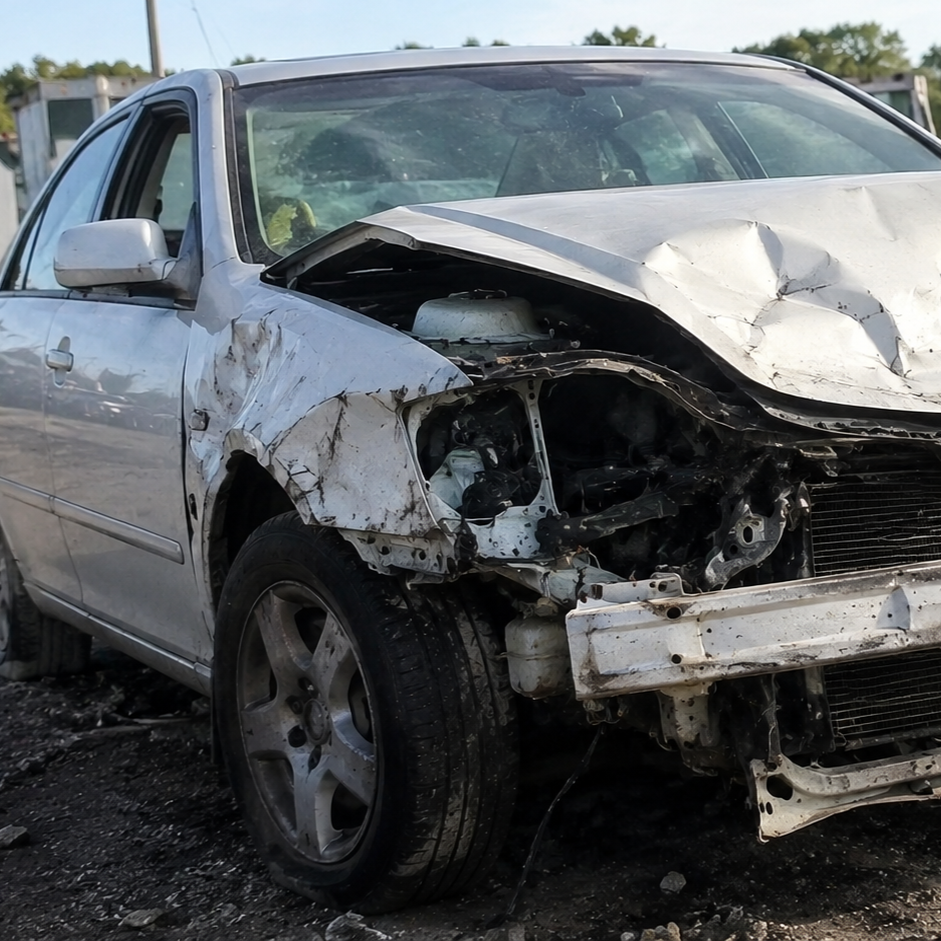
Read MoreA salvage vehicle starts with a decision made by an insurance company, not by a mechanic, and not by you. When a car is damaged, the insurer estimates the cost to restore it to its pre-loss condition.
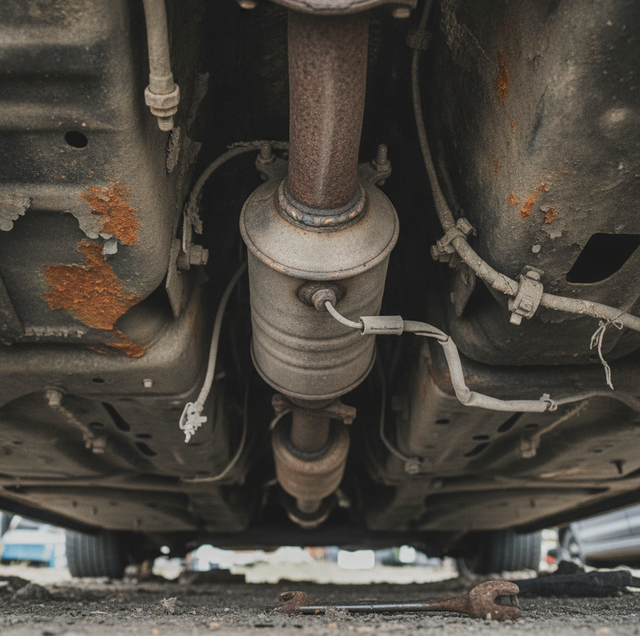
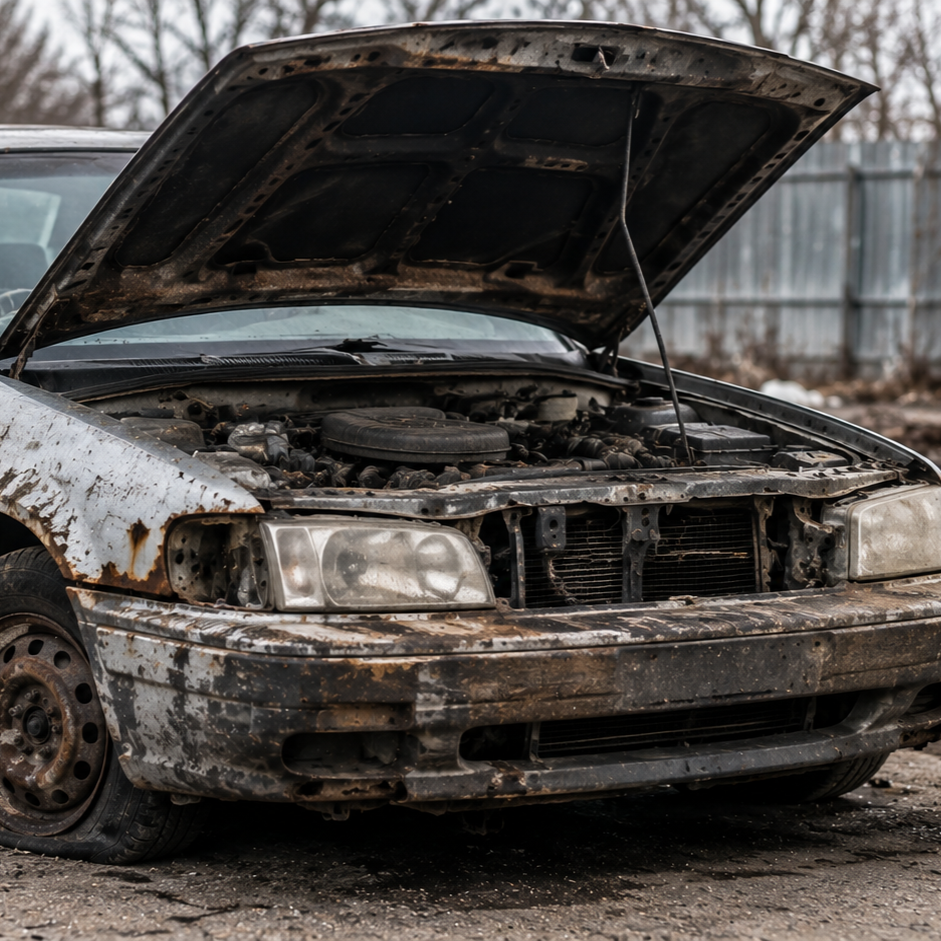
Read MoreA non-running car is not worthless, because most of its value was never in whether the engine turns over. It is in the recyclable metal of the body and frame, in the reusable parts, and in a few high-value components, and buyers who specialize in these cars pay for exactly that.
Read MoreEvery junk car has a baseline worth, even if nothing on it can be reused. That baseline is the recyclable metal in the body, frame, and components.
Read MoreThe single biggest thing that shapes an accident car's sale is its title, because that is where the crash becomes official. When an insurer decides a car costs more to repair than it is worth, they declare it a total loss, and the state issues a salvage title.
Read MoreAn older car with low value and a big repair bill — a failed transmission, a blown engine, major systems needing work — quickly crosses this line. At that point, pouring money into repairs is throwing good money after bad, and the car is worth more sold for cash than kept.
Read MoreA wrecked car isn't priced like a used car on a lot. It's priced as a collection of parts plus a pile of metal, and a few factors decide how much is worth saving.
Read MoreSome people use a stricter version: if a repair costs more than about half the car's value, it's at least worth questioning, especially on an older, high-mileage car likely to need more soon.
Read MoreAn old car isn't automatically at the end of its life — plenty of older cars run reliably for years. The shift from "old but fine" to "done" happens when the car starts costing you more than it returns: in repair money, in reliability you can't count on, or in safety.
Read MoreWhen a repair exceeds the car's value, paying for it is usually throwing good money after bad. You spend more than the car is worth, and you still have an older car that may need further repairs down the road, so you could be back in the same situation soon.
Read MoreWhat many don’t realize is that junk car removal services can turn that pile of parts into actual cash quickly and easily.
Read MoreWhen that point arrives, professional trailer home removal becomes the most efficient and cost-effective way to reclaim your space without stress.
Read MoreBetween sentimental memories of family road trips and the sheer logistics of moving something the size of a small house, it’s no small feat.
Read MoreIn those moments, professional heavy equipment removal becomes the essential next step.
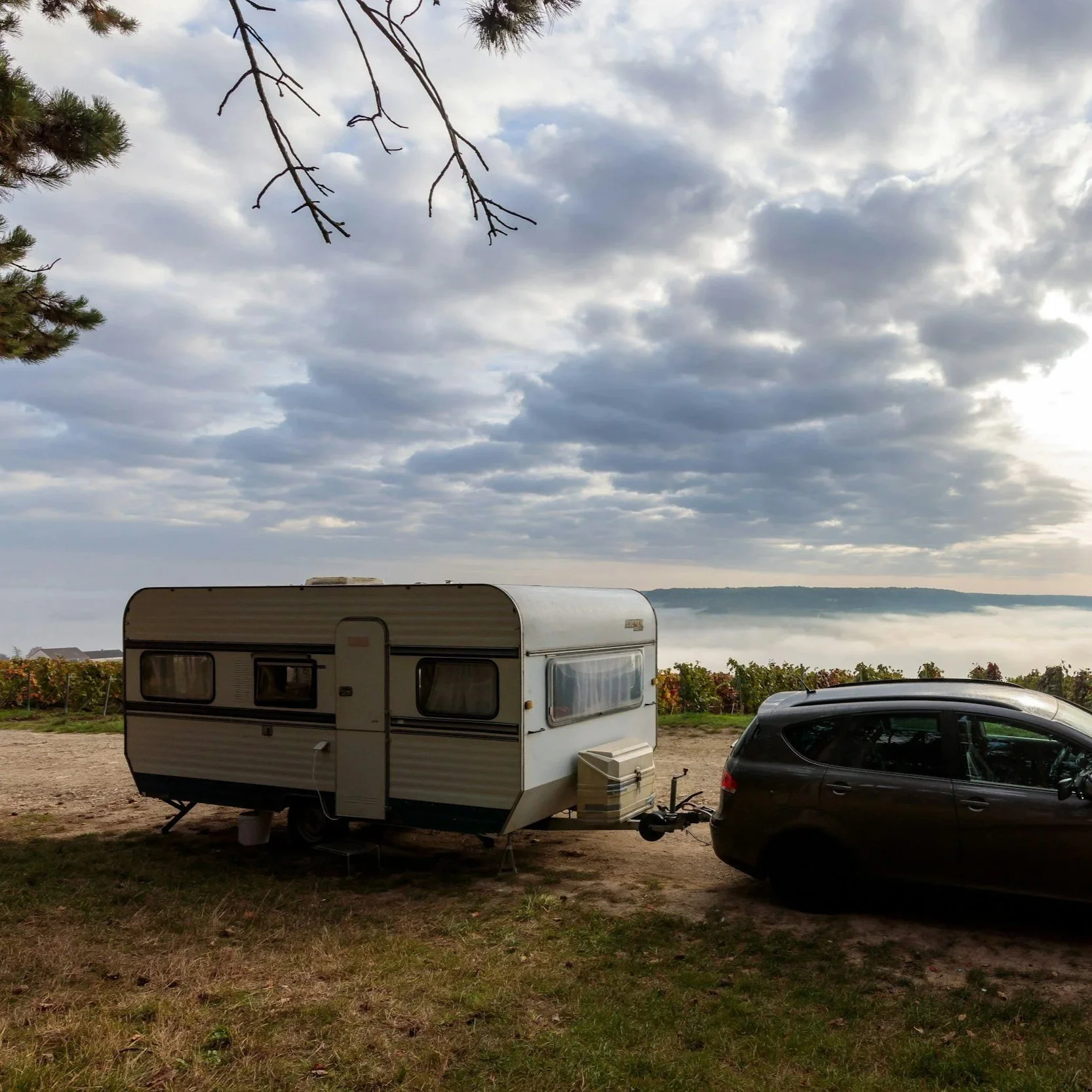
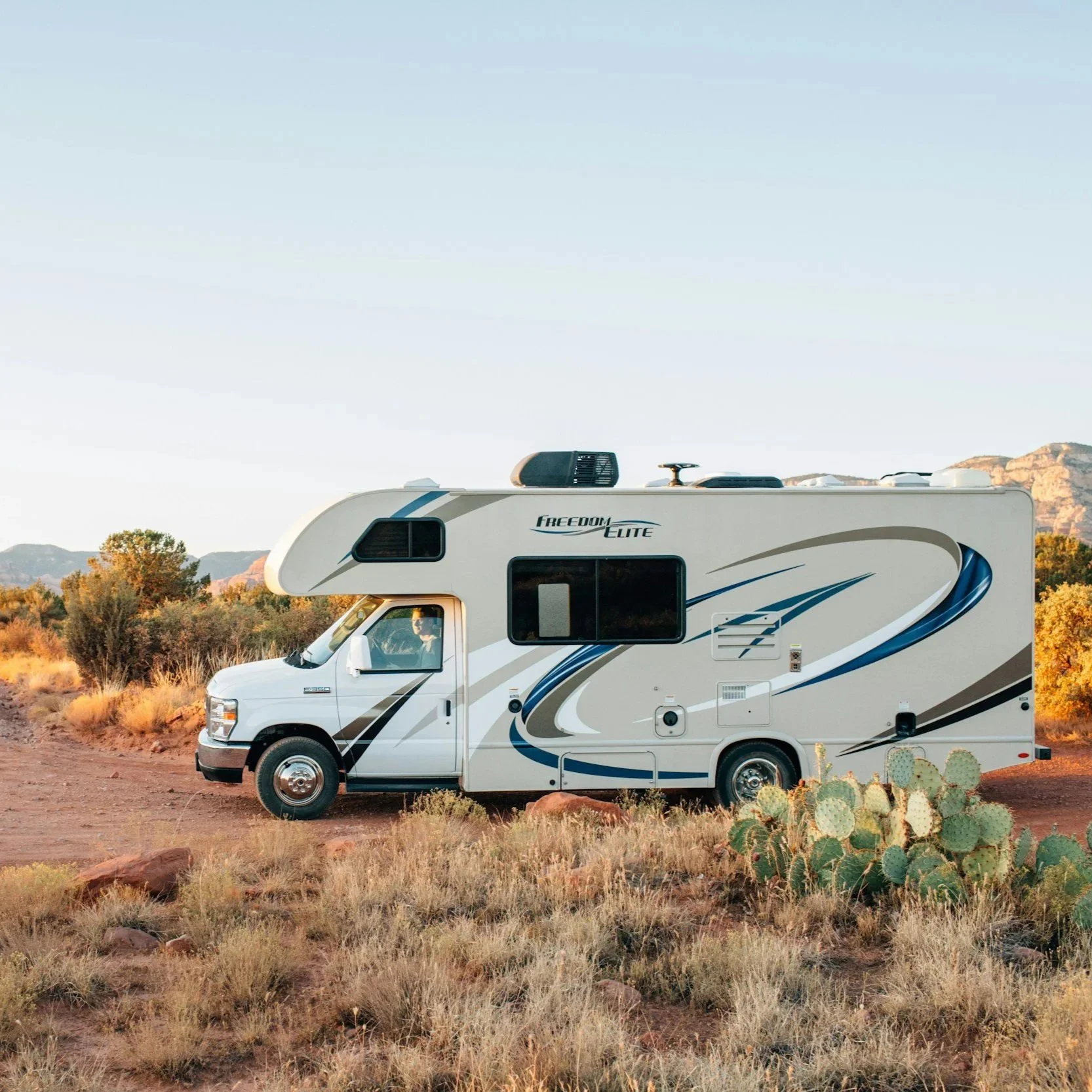
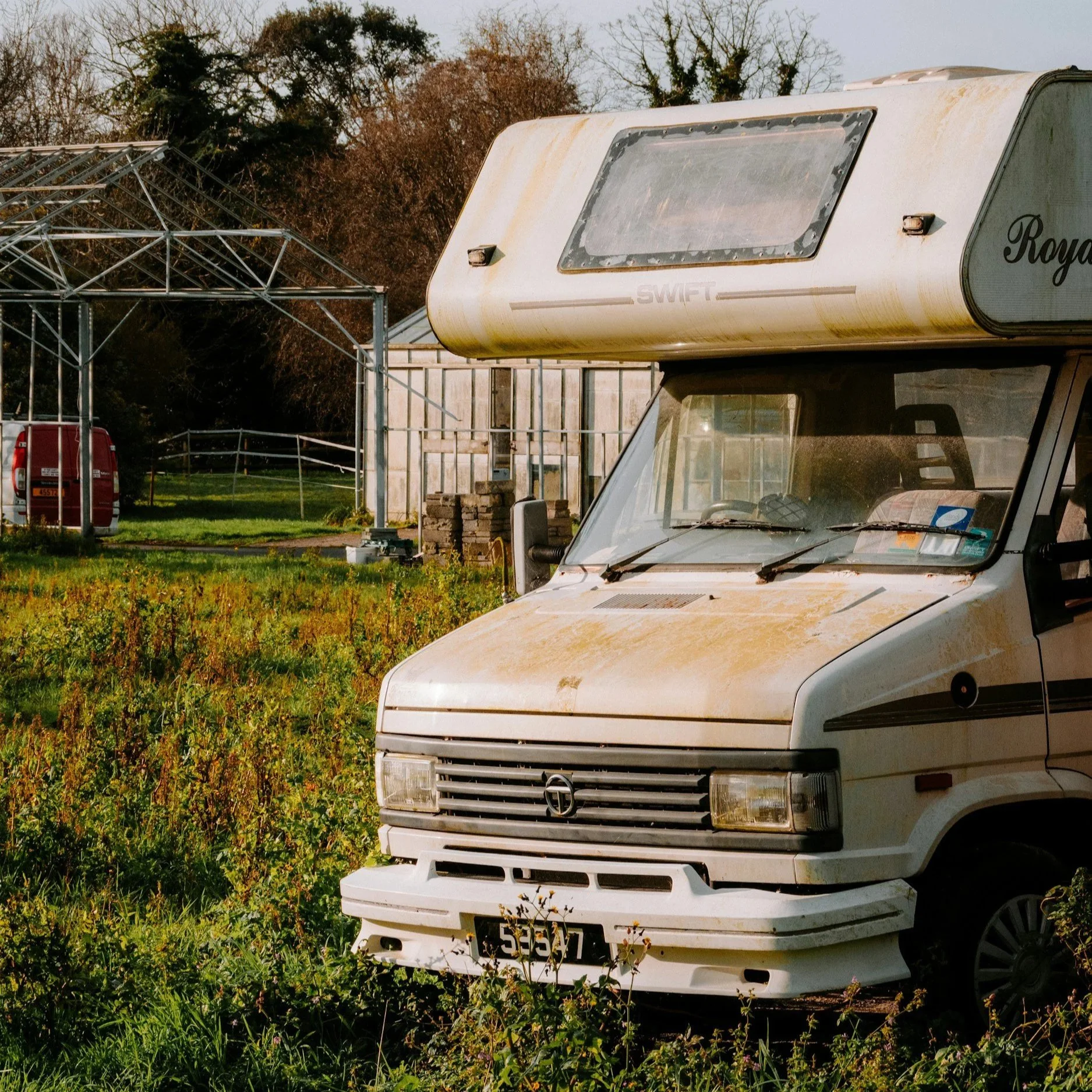
Read MoreIt might have carried your family through national parks, road trips, or countless weekends on the open road.
Read MoreIt’s not just about hauling away a structure; it’s about managing permits, navigating recycling regulations, and keeping the entire process efficient from start to finish.
Read More